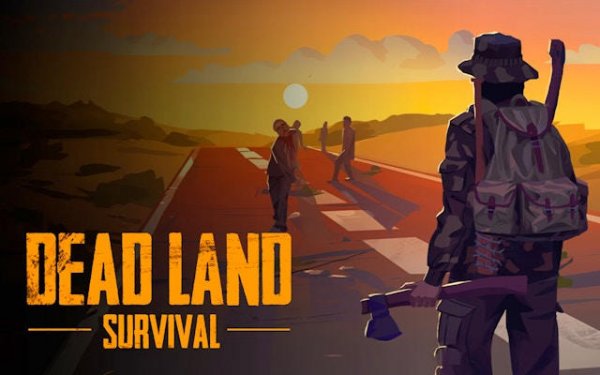
Core Survival Mechanics
Survivor Alliance Strategy focuses on the delicate balance of resource management and shelter construction. Players begin with minimal supplies and must explore their surroundings to locate wood, metal, and food. These materials are essential for crafting tools, medical supplies, and other equipment that increase the chances of long-term survival. The game rewards players who think ahead, as each decision about what to carry or where to settle can have lasting consequences. Unlike fast-paced action games, this title emphasizes careful planning and patience over quick reflexes.
Cooperative Play and Alliances
Forming alliances is a core part of the experience. Players can join groups to share resources, coordinate exploration efforts, and defend their territories together. The game encourages communication and mutual support, making lone play challenging but not impossible. Leaderboards track group achievements, adding a layer of friendly competition that motivates teams to work efficiently. The social aspect transforms survival from a solitary struggle into a shared journey where each member contributes to the group's success.
Shelter Building and Upgrades
Constructing and upgrading a shelter is a primary objective early in the game. Shelters protect players from environmental hazards such as storms and extreme temperatures. The building system allows for customization, letting players design layouts that suit their strategic needs. Upgrades require specific materials, encouraging exploration and trade between players. A well-fortified base becomes a safe haven for storing supplies and planning future expeditions.
Strategic Exploration and Risk
The game world is divided into regions, each offering different resources and challenges. Some areas are rich in materials but may have unpredictable weather or scarce food sources. Players must weigh the potential rewards against the risks before venturing into unknown territory. Exploration is best done in groups, as traveling alone increases vulnerability. The environment itself becomes an obstacle, requiring players to adapt their strategies based on changing conditions.
Progression and Team Dynamics
Progress is measured not only by individual survival but also by the group's collective achievements. Teams that work together can secure larger territories and complete more complex objectives. The game encourages sharing knowledge and resources, creating a learning environment where experienced players can guide newcomers. This cooperative progression system fosters a sense of community and shared purpose, making the experience more rewarding than a solo survival game.







Comments
0 comments