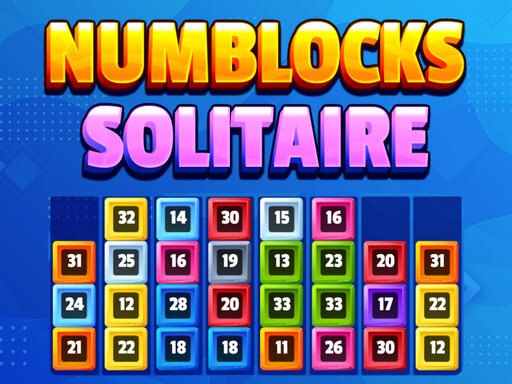
The Core Matching Mechanic
Every level presents several stacks of numbered blocks. You select a block from one stack and move it onto another stack; the move is legal only if the destination stack is not full. When two blocks showing the same number end up together in one stack, that pair is removed. The board is clear once every pair has been matched. That single rule drives all decision-making: each move changes which numbers sit together and how much room remains.
Planning Around Limited Space
Because stacks can fill up, the order of moves matters as much as the matches themselves. Moving a block to free a lower one, or clearing a nearly full stack to open capacity, often matters more than grabbing the first available pair. Levels may also impose a move limit or a time limit, so players who plan several steps ahead tend to last longer than those who react one move at a time. Hints exist but are best saved for moments when the board is genuinely stuck.
Level Structure and Difficulty
The game ships with 60 skill-based levels arranged to ramp up gradually. Each level uses a distinct puzzle layout, so the board you solve is not a recycled arrangement with different numbers. Some levels run without a timer for unhurried play, while others add time pressure for players who want a sharper test. This split lets the same core mechanic serve both a wind-down session and a focused challenge.
Presentation and Audience
The design is clean and family-friendly, and the game states that no ads interrupt play. That matters for a puzzle built on concentration: nothing pulls attention away from the board mid-solve. The matching rule is simple enough for newcomers to grasp in a minute, but the space constraints and move planning give experienced puzzle players something to chew on. It suits anyone who enjoys solitaire-style clearing, number matching, or logic puzzles that reward patience over speed.








Comments
0 comments