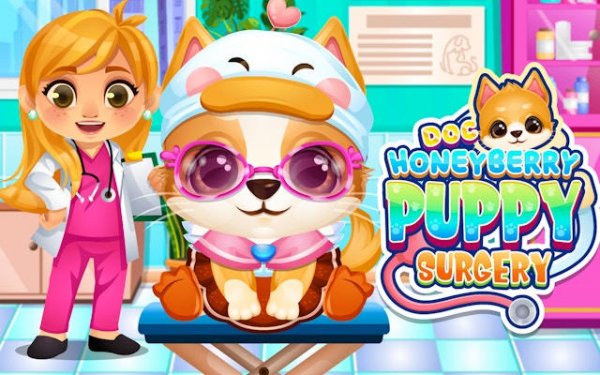
Understanding the Care Process
The game presents a structured sequence where players attend to a small dog's needs. Starting with a gentle cleaning step, children use on-screen tools to remove debris and check for any issues. This stage teaches observation and careful handling. After cleaning, the focus shifts to addressing visible concerns, such as applying a protective wrap to a leg. Each action is guided by clear, simple instructions, ensuring young players understand what to do next without feeling rushed. The design emphasizes completing one step before moving to the next, reinforcing a logical approach to care.
Rewarding Creativity After Care
Once the medical steps are finished, the game opens up a dress-up segment. Here, players can choose from various bandages, accessories, and outfits to personalize the puppy's look. This phase serves as a positive reward for completing the earlier tasks. It encourages creative expression without detracting from the main care theme. The options are colorful and playful, allowing children to experiment with different combinations. This balance of structured care and free play keeps the experience engaging from start to finish.
Visual Style and Atmosphere
The game uses bright, cheerful graphics that create a welcoming environment. Colors are soft and inviting, with no dark or intense scenes. Animations are smooth and friendly, showing the puppy's reactions to each action. For instance, the dog may wag its tail or give a happy expression when treated gently. This visual feedback helps players feel connected to their task. The overall tone remains positive throughout, with no time limits or failure states. This design choice makes the game accessible to very young children and those who prefer a relaxed pace.
Building Empathy Through Play
A core element of this experience is its focus on nurturing behavior. By guiding the puppy through recovery, children practice patience and attention to detail. The game subtly teaches that taking time with each step leads to better outcomes. There are no penalties for moving slowly, which encourages a calm, thoughtful approach. This structure can help develop empathy as players see the direct results of their careful actions. Parents may find this a useful tool for discussing kindness and responsibility with their children in a safe, digital setting.
Accessibility and Controls
The controls are designed for small hands, with large buttons and simple touch or click interactions. On-screen prompts appear at each stage, explaining what to do next. There is no reading required for basic play, as visual cues guide the player. This makes the game suitable for pre-readers and children with varying skill levels. The interface stays consistent, so players can focus on the puppy rather than figuring out complex menus. This thoughtful design ensures that the game remains enjoyable for its intended young audience.







Comments
0 comments