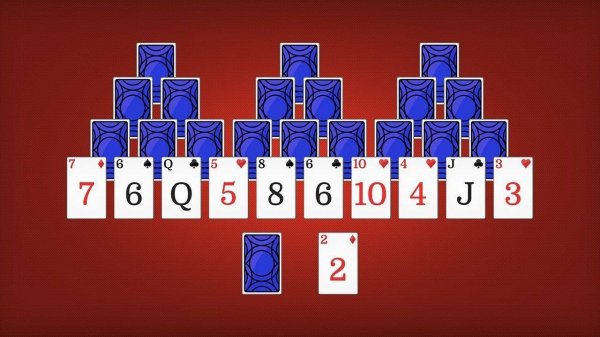
Core Matching Mechanics
In Pyramid Card Match Solitaire, players face three separate piles of face-up cards arranged in triangular formations. The objective is to remove every card by selecting those that are exactly one rank above or below the card shown at the bottom of the play area. For instance, if the bottom card is a 5, you may remove a 4 or a 6 from any pyramid. This simple rule creates a web of possibilities where each selection alters the available options.
Strategic Depth and Planning
Success depends on looking ahead. Removing a card might expose a useful match or block a needed sequence. Players must evaluate which cards to take first, considering how each decision affects the remaining layout. The game encourages patience and observation, rewarding those who think several moves ahead rather than rushing.
Visual and Audio Atmosphere
The interface uses clean, uncluttered visuals that make card values easy to read at a glance. Gentle background music accompanies the gameplay, helping to maintain a calm focus. The overall presentation avoids distractions, allowing players to concentrate on the puzzle at hand.
Replay Value and Variety
Each session generates a unique arrangement of cards, ensuring no two games play out the same way. This randomness keeps the challenge fresh for returning players. The scoring system provides an incentive to improve, as clearing pyramids with fewer moves yields higher points.
Tips for Consistent Improvement
Begin by scanning all three pyramids before making your first move. Identify cards that block large sections and prioritize their removal. Use the draw pile only when no matches are visible, but try to avoid drawing too early, as it may limit future options. Regular practice helps in recognizing matching patterns more quickly.








Comments
0 comments