Core Puzzle Design
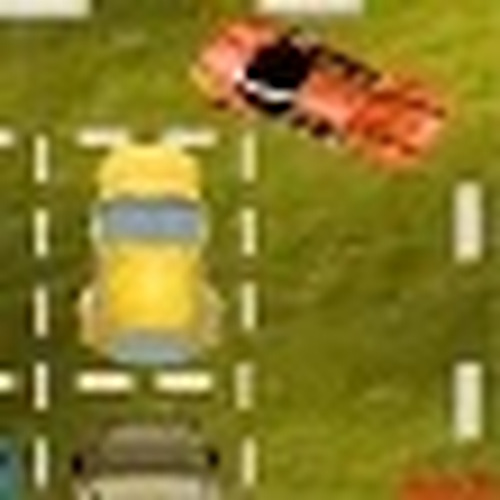
At its heart, this game asks players to rearrange vehicles so each one reaches a designated parking spot. The challenge comes from limited space and the movement restrictions shown by arrows on each car. Only forward or backward motion is allowed, which means every step must be planned in advance. The layout changes with each level, ensuring no two puzzles feel the same. This structure rewards patience and careful observation rather than speed.
Level Progression and Difficulty
The early stages introduce basic patterns with few cars and open areas. As players advance, more vehicles appear and the parking zones become tighter. Obstacles such as barriers or other cars create additional layers of complexity. The difficulty curve is gradual, allowing newcomers to build confidence before facing tougher arrangements. Experienced puzzle fans will find the later levels require several minutes of focused thinking.
Visual Style and Controls
The graphics use bright, clear colors that make each car and obstacle easy to distinguish. Icons and arrows are simple to read, reducing visual clutter. On desktop, players click and drag with a mouse; on touch devices, a finger swipe works just as well. The interface responds quickly, so there is no lag between a move and its result. This clean presentation helps players concentrate on the logic rather than the interface.
Family-Friendly Atmosphere
No violence, no time limits, and no competitive pressure define the game's tone. It is designed to be a calm, thinking activity that multiple generations can enjoy together. Parents can play alongside children, discussing strategies without worrying about inappropriate content. The lack of timers means everyone can work at their own pace, making it a good choice for relaxed family time.






Comments
0 comments