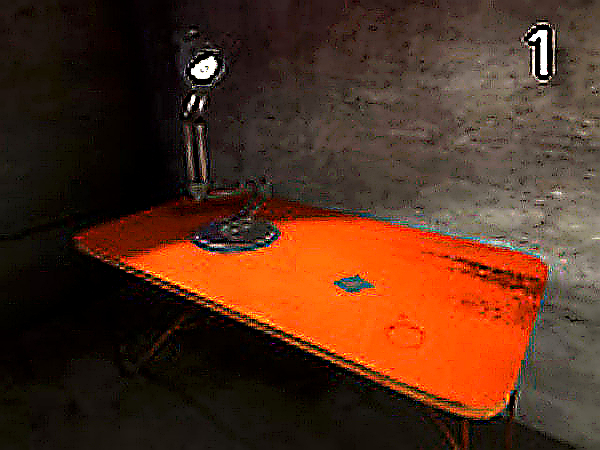
Starting Situation
Players begin inside a single room with no memory of events leading up to that moment. The environment is quiet and uncluttered, with objects placed in ways that invite careful inspection. Every detail matters, from the arrangement of furniture to small items left on shelves. The game does not rush players, allowing them to examine each element at their own pace. This slow start helps build a sense of immersion and curiosity about the world beyond the locked door.
Puzzle Structure
Challenges are built around logical deduction and pattern recognition. Some puzzles require finding hidden numbers or symbols and applying them to locks or devices. Others involve combining items found in the room to create tools that open new areas. The difficulty curve is gentle, with early puzzles teaching basic mechanics before later ones demand more creative thinking. Each solved puzzle reveals a small piece of the larger narrative, encouraging players to keep moving forward.
Controls and Interaction
Interaction is handled entirely through mouse clicks. Players point at objects to inspect them, pick them up, or use them in combination with other items. An inventory bar at the bottom of the screen stores collected objects, which can be selected and applied to the environment. The interface is minimal, keeping the focus on the room and its secrets. There are no timers or fail states, so every action can be undone or retried without penalty.
Atmosphere and Tone
The visual style is clean and understated, with soft colors and gentle lighting that create a relaxed mood. Background sounds are subtle, consisting of faint ambient noise that reinforces the feeling of being alone in a closed space. The game avoids jump scares or tense music, instead relying on the quiet satisfaction of discovery. This makes it suitable for players who prefer thinking over action, and for younger audiences as well.
Progression and Story Hints
Completing the first chapter unlocks a glimpse into a larger storyline that spans multiple episodes. Notes and objects found in the room hint at events outside the immediate setting, raising questions about the player character's identity and purpose. The narrative is delivered sparingly, through environmental storytelling rather than dialogue. This approach rewards attentive players and builds anticipation for what comes next.
Comments
0 comments