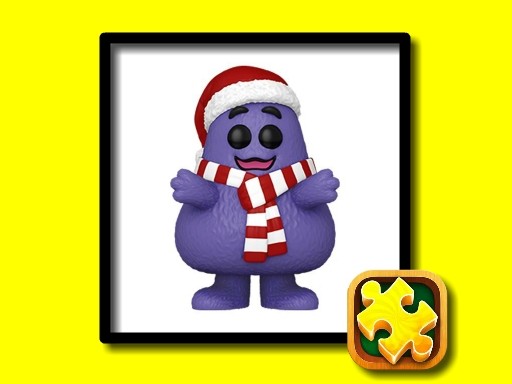
Core Activity
At its heart, this game revolves around taking scattered pieces and fitting them together to reveal a full image. Each puzzle presents a new picture, ranging from simple compositions to more detailed scenes. The process encourages careful observation and pattern recognition as you match shapes and colors. There are no penalties for wrong placements, so you can experiment freely.
Visual and Interface Design
The interface is clean and uncluttered, with pieces arranged neatly on the side. Dragging a piece into the main workspace feels smooth and responsive. A subtle snap effect confirms correct placement, providing clear feedback without being distracting. The images themselves are varied and pleasant, offering a mix of natural landscapes, everyday objects, and artistic patterns.
Progression and Accessibility
New puzzles become available as you finish previous ones, creating a natural sense of advancement. The difficulty curve is gradual, allowing beginners to build confidence before tackling larger sets. An optional hint system can guide you when you feel uncertain, but the game never forces its use. This design makes it suitable for both young children and older adults looking for a low-pressure mental exercise.
Benefits for the Mind
Regular play can sharpen visual-spatial reasoning and short-term memory. The act of sorting pieces by edge type or color trains organizational thinking. Because there is no time limit, you can pause and resume at any moment, reducing stress while keeping the mind engaged. Many players find it a helpful way to unwind after a busy day.
Family and Social Use
The game works well as a shared activity. Multiple people can gather around a single screen and discuss where pieces might go. This cooperative aspect makes it a good choice for family game nights or quiet afternoons at home. Since all content is appropriate for any age, parents can let children play without supervision.






Comments
0 comments